Market

Protective Textiles

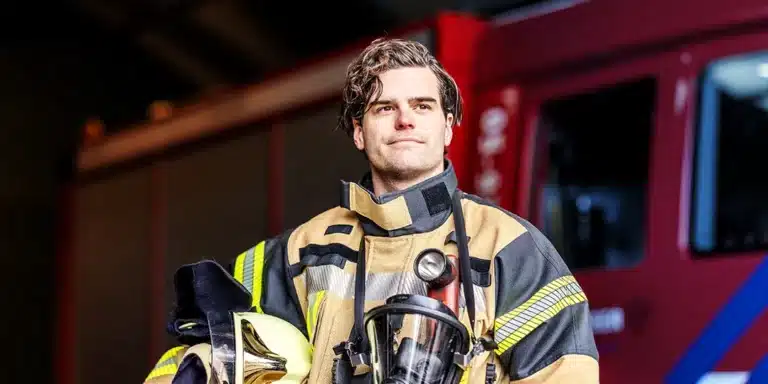
Protective textiles, or protech, keep people safe where ordinary clothing cannot. Aramid, PBI, flame retardant and high visibility fabrics, coatings and multi-layer laminates protect against fire, heat, chemicals, cut, arc flash and ballistic impact, under certification schemes that decide which fabric may be used for which job.

Latest in this market

Protective Textiles news and case studies

All articles in this market

Independent editorial selection — no sales pitches. Sponsored items are marked as such.

Submit your news

Ask the Expert

Ask a protective textiles expert — free

View all experts

Engineers and product specialists who answer technical questions from readers. The answer comes back to you by e-mail; when we publish it, other readers benefit too.

No field expert for this market yet — your question still reaches our editors.

Subscribe to our E-newsletters

"*" indicates required fields

Name
Weekly E-Update (delivered every Tuesday)
E-Product Newsletters
Market Insight Newsletters

Questions and answers

Frequently asked about protective textiles

Introduction to protective textiles

The rise of novel technologies, exploration of unknown environments, and unpredictable climate changes have led to an increase in unexpected hazards, particularly in workplaces. As a result, protection measures have become essential across various industries, driving the development of protective textiles. These specialized textiles include fire-retardant apparel, chemical-resistant clothing, high-altitude gear, ballistic protection, bulletproof jackets, high-visibility clothing, radiation-resistant fabrics, industrial helmets, and protective gloves.

These technical textiles are designed to safeguard individuals from extreme temperatures, chemical exposure, bullets, explosives, and low-visibility environments. The defense sector remains one of the largest consumers of protective textiles, with key products including bulletproof jackets, nuclear, biological, and chemical (NBC) suits, high-altitude gear, and fire-resistant apparel.

The growing focus on workplace safety, stricter fire safety regulations, and the increasing threat of terrorism have further escalated the demand for protective textiles. Industries such as construction, oil and gas, and defense continue to invest heavily in advanced protective clothing to ensure the safety of their workers in hazardous environments.

Key Technical Textiles Used in Safety Gear

Several advanced technical textiles are critical in manufacturing industrial safety gear, each tailored to meet specific safety needs:

  1. Aramid Fibers (e.g., Kevlar): Known for their high strength-to-weight ratio and heat resistance, these fibers are widely used in protective clothing like gloves and vests. p-Aramid fibers provide ballistic protection, while m-Aramid fibers offer flame and heat resistance.
  2. Polyethylene (e.g., Dyneema):
    Ultra-high-molecular-weight polyethylene (UHMWPE) fibers, such as Dyneema, are both lightweight and extremely strong, ideal for cut-resistant gear and helmets where tensile strength and low weight are crucial.
  3. Flame-Resistant Fabrics (e.g., Nomex):
    Flame-resistant materials like Nomex are essential in industries like firefighting and welding, providing vital protection against high heat and flames.
  4. Chemical-Resistant Fabrics (e.g., PTFE):
    PTFE (polytetrafluoroethylene) is used in environments with chemical exposure risks, like laboratories and chemical plants, offering excellent protection from a wide range of chemicals.
  5. Moisture-Wicking Fabrics (e.g., Coolmax):
    In physically demanding industries, moisture-wicking fabrics maintain worker comfort by drawing sweat away from the skin, which helps reduce distractions and improve safety.

Additionally, high-tech fibers such as PPS (Polyphylene sulphide), PEEK (Polyetherketone), and Novoloid (cured phenol-aldehyde) offer enhanced protection against heat, chemicals, and mechanical impact. PBO (p-phenylene-2,6-benzobisoxazole) fibers are unmatched in strength and modulus, exceeding all known fibers in terms of performance. These materials are integral to the future of industrial safety gear, pushing the boundaries of worker protection.

The Growing Importance and Future of Protech Textiles

The future of the Protech Textiles Market looks highly promising, driven by increasing concerns for worker safety and the implementation of stricter safety regulations across industries. The development of innovative materials, such as nanotechnology and advanced fibers, has led to the production of lighter and more durable textiles that maintain high protective standards while improving wearer comfort. Additionally, the rise of smart textiles—fabrics embedded with sensors and electronics capable of monitoring vital signs and detecting hazards—presents exciting new opportunities for the industry.

Which fibres are used in protective clothing?

Aramids such as meta-aramid and para-aramid, PBI, modacrylic, FR viscose and blends with wool carry most flame and heat protection, while UHMWPE and glass carry cut and impact resistance. The yarn construction is as important as the polymer: twist, blend ratio and filament count decide comfort and durability. More in Fibers and Yarns.

How do coatings improve protective textiles?

Coatings and laminates add the barrier that a woven fabric alone cannot deliver: liquid chemical protection, arc flash performance, oil and water repellency and reduced flame spread. The trade-off is always breathability, which is why membrane and microporous constructions dominate in workwear. More in Coated Textiles.

Where are nonwovens used in protective clothing?

Nonwovens carry most of the single use protective garment market: chemical and particle suits, aprons and sleeves. They are also used as thermal barrier and moisture barrier layers inside firefighter turnout gear, where a spunlace or needlepunch felt does the insulating. More in Nonwoven Fabrics.

What makes protective apparel comfortable to wear?

Protection that is too hot gets taken off, so heat stress is a safety issue in its own right. Moisture management layers, ventilation panels, stretch inserts and lighter multi-layer constructions raise wear time without lowering certification level. More in Functional Apparel Textiles.

How do I find an equipment manufacturer for protective textiles?

Use the Manufacturers Directory A–Z or the Equipment Guide. Partner profiles carry direct contact details; other listings link to the company website.

Can I ask a technical question before I buy?

Yes. Ask the Expert puts your question to a field expert active in Protective Textiles. The answer comes back to you by e-mail; when we publish it, other readers benefit too.

Want to be the expert readers ask?

Field experts get a byline, a company profile and direct questions from readers. Partner packages add product visibility and a place in the Weekly E-Update.

Become an expert