Indoor Air Quality, VOC’s, and Textiles: What to Know
What are VOCs, or Volatile Organic Compounds and how do they contribute to indoor air pollution specifically in fabrics? Learn all about them here.


Market
Medtech runs from wound dressings, sutures and implants to gowns, drapes and the filtration inside medical devices. Biocompatibility, sterilisation, barrier performance and traceability decide what is allowed near a patient, and single use against reusable is a live debate in every hospital purchasing department.
Latest in this market
What are VOCs, or Volatile Organic Compounds and how do they contribute to indoor air pollution specifically in fabrics? Learn all about them here.
Ask the Expert
Engineers and product specialists who answer technical questions from readers. The answer comes back to you by e-mail; when we publish it, other readers benefit too.
"*" indicates required fields
Questions and answers
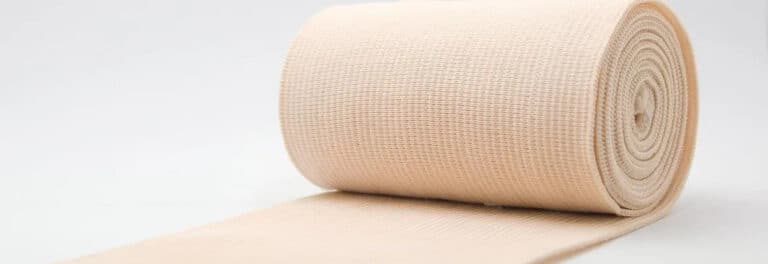
Examples of medical textiles include the artificial cornea, eye contact lenses, artificial joints and bones, heart valves/vascular grafts, sanitary towels, nappies, artificial lungs/kidney/liver, sutures, artificial ligaments, bandages, wound dressing, and surgeon wear. 
Technical developments in active implants, tissue engineering, spinal implants, and the socio-economic changes in developing countries, as well as the change in the age structure of the industrialized nations, are expected to further strengthen the medical textile market growth. Rising awareness regarding new technologies for wound care, growing diabetic and aging population, and support from the government in the form of funding non-implantable goods are widely being used worldwide, which is anticipated to drive the growth of the global medical textiles market.
Textile fibers and textiles and play a vital role in the medical and healthcare sector. Traditional products include bandages for covering wounds, sutures for stitching together the sides of open wounds to promote healing, substrates for plaster of Paris casts, and incontinence products. However, the role played by fiber-based materials has advanced drastically in recent years. Innovations in medical textiles include:
The cooperation of physicians, surgeons, microbiologists, physiologists, and textile scientists has produced, over recent years, a multitude of innovative medical textile applications. There will be an increasing role for medical textiles in the future. Textiles will be used in all new corporal devices, external or implanted materials, healthcare, and hygienic products. Textile materials continue to serve an important function in the development of a range of medical and surgical products. Active barrier protective fabrics are a game-changer for medical textiles and a tremendous leap forward because they provide vital protection to health care workers while still offering comfort.
Nonwovens carry gowns, drapes, masks, wipes and wound contact layers, and the meltblown layer inside a mask is what does the filtering. Barrier performance, breathability and linting behaviour are the properties that decide whether a fabric is allowed in an operating theatre. More in Nonwoven Fabrics.
Polypropylene, polyester and viscose carry the disposable side, while PLA, PGA, collagen and alginate carry resorbable products that the body absorbs. For implants the fibre has to be biocompatible for years, which narrows the list sharply. More in Fibers and Yarns.
Coatings add barrier performance to gowns and drapes, antimicrobial function to dressings and lubricity to catheters. They can also carry an active substance that is released over time, which turns a dressing into a delivery system. More in Coated Textiles.
Steam, ethylene oxide and gamma radiation each change the material in their own way: polypropylene loses strength under gamma, and repeated autoclaving ages reusable fabrics. The sterilisation route is therefore chosen together with the fabric, not after it. More in Technology and Processes.
Use the Manufacturers Directory A–Z or the Equipment Guide. Partner profiles carry direct contact details; other listings link to the company website.
Yes. Ask the Expert puts your question to a field expert active in Medical Textiles. The answer comes back to you by e-mail; when we publish it, other readers benefit too.