
Market
Sport Textiles
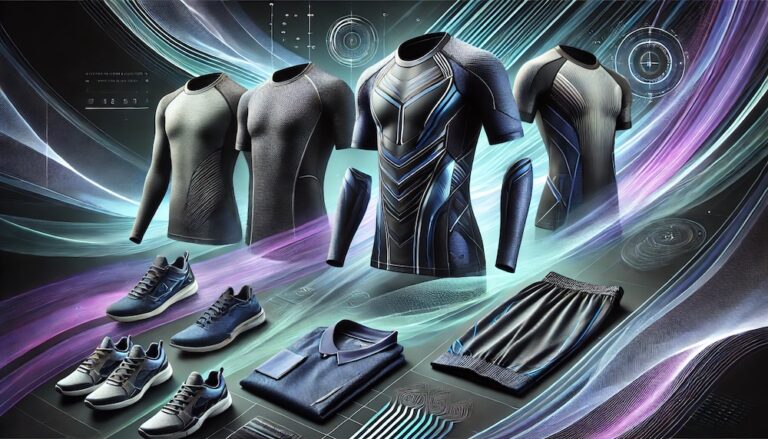
Sports textiles have to move with the body and manage heat and moisture at the same time. Knitted and woven structures, membranes, laminates and finishes deliver stretch, breathability, protection and durability, from base layers and footwear uppers to artificial turf, sails and the composite reinforcement inside equipment.
All articles in this market
Sport Textiles — page 1 of 1



Ask the Expert
Ask a sport textiles expert — free
Engineers and product specialists who answer technical questions from readers. The answer comes back to you by e-mail; when we publish it, other readers benefit too.
Subscribe to our E-newsletters
"*" indicates required fields
Questions and answers
Frequently asked about sport textiles
Textiles used for sport
The specific textile used in sport textiles will depend on the specific sport and the needs of the athlete. For example, a running shirt might be made from a lightweight, moisture-wicking fabric, such as polyester or nylon. A football jersey might be made from a strong, durable fabric, such as polyester or cotton.
The sport textile industry is constantly evolving, with new materials and technologies being developed all the time. As a result, the textiles used in sport textiles are constantly changing. However, the textiles listed below are some of the most common and popular textiles used in sport textiles today.
- Polyester: Polyester is a synthetic fiber that is lightweight, strong, and durable. It is also moisture-wicking and dries quickly, making it ideal for sportswear.
- Nylon: Nylon is another synthetic fiber that is similar to polyester in terms of its properties. It is also strong and durable, but it is not as moisture-wicking as polyester.
- Spandex: Spandex is a synthetic fiber that is known for its stretchability. It is often added to other fibers to make them more flexible and comfortable.
- Cotton: Cotton is a natural fiber that is soft, comfortable, and breathable. It is often used in sportswear that needs to be soft and absorbent, such as underwear and socks.
- Wool: Wool is a natural fiber that is warm and moisture-wicking. It is often used in sportswear for cold weather activities, such as skiing and snowboarding.
- Silk: Silk is a natural fiber that is soft, smooth, and luxurious. It is often used in sportswear that needs to be comfortable and stylish, such as swimwear and lingerie.
Performance Enhancement
One of the cornerstones of the sport textiles industry is fabric engineering. Textile experts in this field work tirelessly to develop materials that can enhance athletic performance. wicking fabrics designed to efficiently manage sweat and maintain a dry and comfortable environment for athletes, are a prime example. These textiles prevent moisture buildup, a common cause of discomfort during physical activities.
Additionally, performance-enhancing textiles include compression garments that provide targeted support to muscles, improving blood circulation and reducing muscle fatigue. Such garments are particularly beneficial in activities that require sustained efforts, like long-distance running and cycling.
Specialized Textiles for Different Sports
The diversity of sports demands tailored solutions, and the sport textiles industry excels in meeting these demands. Professionals in this sector collaborate closely with athletes, coaches, and sports scientists to create textiles that address specific challenges. For example, textiles designed for outdoor sports like skiing incorporate insulation properties to keep athletes warm in cold conditions.
In contact sports, durability and impact resistance are key considerations. Protective gear and padding are integrated seamlessly into textiles to provide a layer of safety without compromising comfort. The industry's ability to provide specialized textiles for a wide range of sports contributes significantly to athletes' performance and well-being.
Smart Textiles and Technological Integration
The infusion of technology into textiles has given rise to the concept of smart textiles. These textiles are embedded with sensors and electronics that can monitor various physiological parameters, providing athletes with real-time data on their performance. This integration of technology extends beyond clothing to include sports equipment like footwear and wearables.
Smart textiles are transforming training regimens and enabling athletes to fine-tune their strategies based on data-driven insights. These innovations are pushing the boundaries of what sport textiles can achieve and opening up new possibilities for athlete development.
What makes a sports fabric perform?
Moisture transport, stretch recovery, thermal regulation and low weight together decide whether a garment helps or hinders. Yarn cross section, knit structure and finish do most of the work, and body mapped constructions place different properties where the body needs them. More in Functional Apparel Textiles.
Which knit and weave structures are used in sportswear?
Circular knits carry base layers, warp knits carry compression and mesh panels, and seamless knitting removes the seams that cause chafing. On the woven side, ripstop and high density weaves give abrasion resistance and wind protection at low weight. More in Woven Fabrics and Knitted Fabrics.
How do membranes and coatings work in sports clothing?
A waterproof breathable membrane or coating keeps rain out while letting vapour escape, and the laminate construction decides the balance. Durable water repellent finishes on the face fabric keep the outer layer from wetting out, which is what usually causes a jacket to feel clammy. More in Coated Textiles.
Where are composites used in sports equipment?
Carbon and glass fibre reinforcement carry bicycles, rackets, skis, hockey sticks and boat hulls. Fibre orientation and lay-up tune stiffness and damping in a way that a metal tube cannot, and that tuning is where the performance difference sits. More in Composites.
How do I find an equipment manufacturer for sport textiles?
Use the Manufacturers Directory A–Z or the Equipment Guide. Partner profiles carry direct contact details; other listings link to the company website.
Can I ask a technical question before I buy?
Yes. Ask the Expert puts your question to a field expert active in Sport Textiles. The answer comes back to you by e-mail; when we publish it, other readers benefit too.