
Geo Textiles

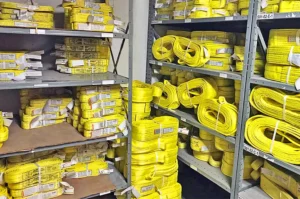
Geo textiles, also known as Geotech, have become an essential and versatile solution in modern civil engineering. These engineered textile materials are designed to improve the strength, stability, and durability of infrastructure projects while supporting efficient and sustainable construction practices. By performing specific technical functions, geo textiles help engineers optimize designs and extend the service life of structures.
Geo textiles are widely used in sectors such as transportation, hydraulic engineering, environmental protection, and construction. In road and railway projects, they provide soil stabilization, separation, and reinforcement, which reduces deformation and improves load distribution. In hydraulic applications, they support filtration and drainage, helping to control water flow and prevent erosion. Environmental projects rely on these materials for waste containment, landfill lining, and soil protection.
In addition to technical performance, geo textiles offer clear sustainability benefits. They reduce the need for natural raw materials such as gravel and sand, lower excavation volumes, and minimize environmental disturbance. Their lightweight nature simplifies transport and installation, which shortens construction time and reduces energy use.
As infrastructure demands continue to grow, geo textiles play a key role in delivering durable, cost-effective, and environmentally responsible solutions. Through innovation in materials and design, Geotech continues to support safer infrastructure and more sustainable civil engineering worldwide.
